Exploring Cutting-edge Treatments: What to Anticipate Throughout Your Following Dental Expert Go To
During an oral check out, clients can anticipate a selection of cutting-edge therapies targeted at boosting their general experience. With the introduction of advanced analysis tools and sedation options, the emphasis is on decreasing discomfort and anxiety. Additionally, the shift in the direction of minimally invasive procedures and electronic innovation promises enhanced efficiency. These developments question about the future of dental care and what it suggests for client end results. What could these improvements signify for regular oral sees?
The Rise of Pain-Free Dental Care
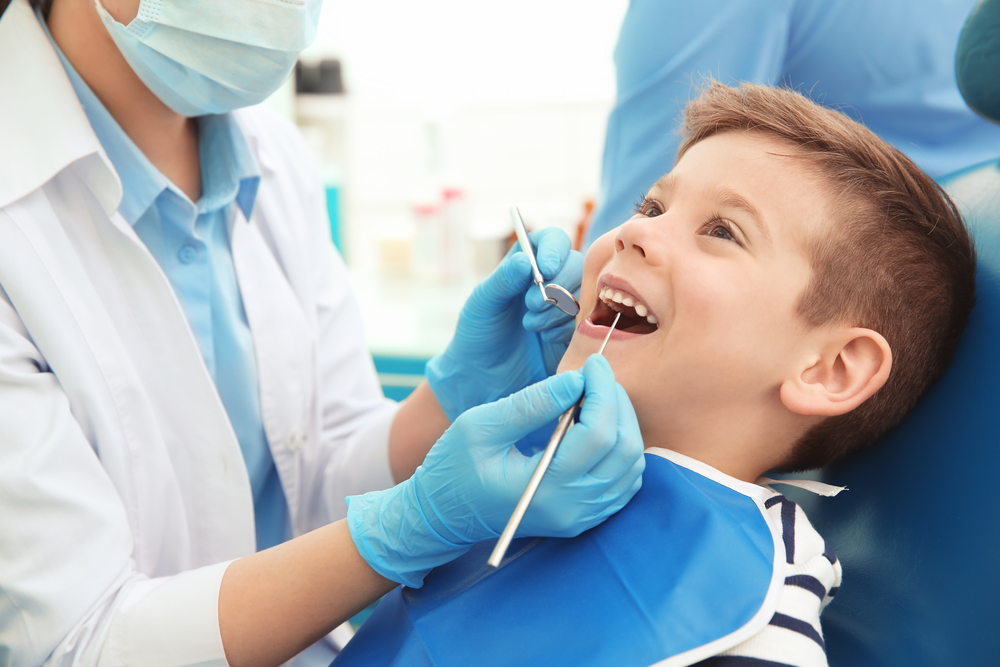
Additionally, the integration of laser technology has further enhanced the pain-free approach, permitting precise treatments that reduce trauma to surrounding tissues. As a result, patients are most likely to look for normal oral treatment, adding to much better oral health and wellness outcomes. In general, the increase of pain-free dentistry symbolizes a significant development in exactly how oral practices prioritize client comfort and health, cultivating a much more positive relationship in between people and their oral health and wellness providers.
Advanced Diagnostic Devices
Innovations in pain-free dentistry have led the method for enhanced individual experiences, but the evolution of oral care does not quit there. The combination of sophisticated diagnostic devices plays a crucial role in boosting oral health analyses. Technologies such as digital X-rays, which reduce radiation direct exposure, allow dentists to get high-resolution images quickly. This technology allows more precise diagnoses of cavities, bone loss, and other oral problems.
Cone-beam computed tomography (CBCT) provides three-dimensional imaging, further refining treatment preparation, specifically in intricate instances like implants or orthodontics. In addition, caries discovery devices make use of laser fluorescence to identify degeneration at its earliest phases, guaranteeing prompt intervention.
These advanced analysis devices not just improve the accuracy of diagnoses but additionally foster proactive treatment approaches. As dental treatment proceeds to develop, these innovations are vital for supplying customized and efficient oral health and wellness services, eventually profiting individuals in their dental trips.
Sedation Options for Anxious Patients
Kinds of Sedation Available
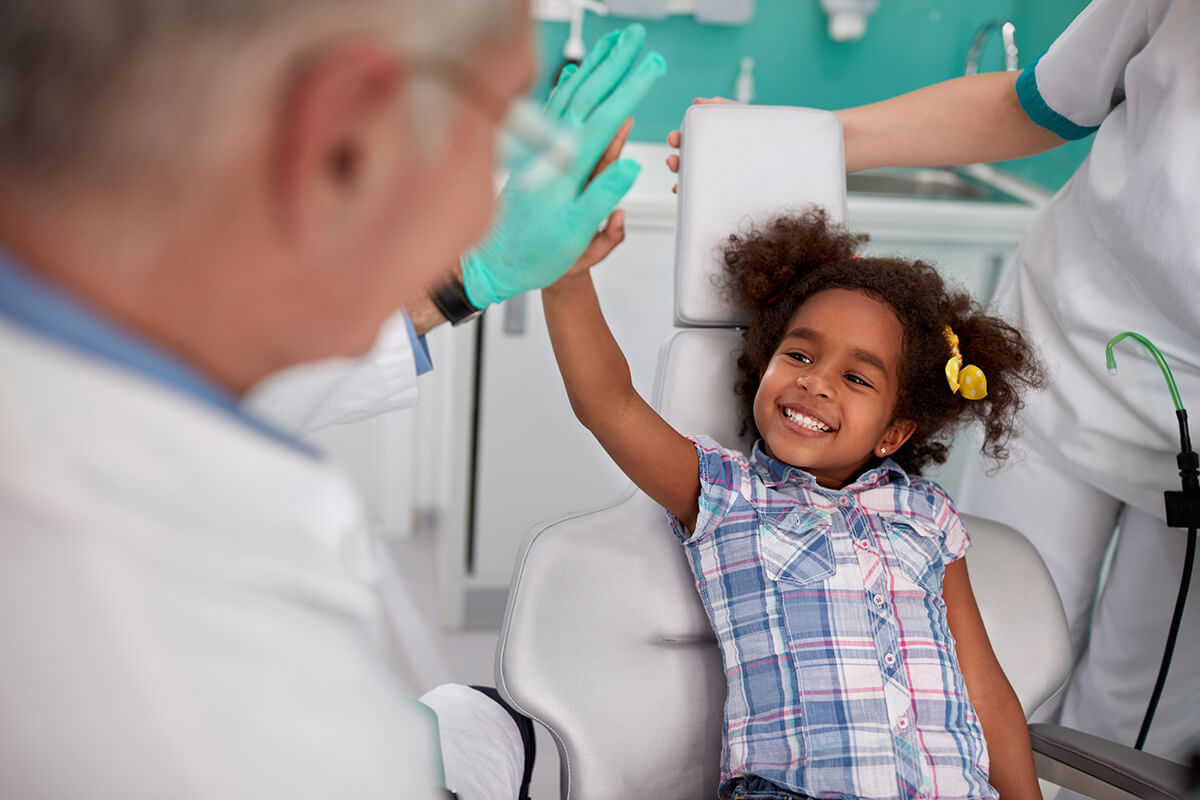
Exactly how can nervous patients find convenience throughout dental procedures? Numerous sedation options are available to assist alleviate their anxieties. Nitrous oxide, typically called giggling gas, is a preferred choice. It offers a light level of sedation, permitting people to stay awake while really feeling unwinded. Oral sedation entails taking a suggested medication before the visit, which assists tranquil anxiousness. For much deeper sedation, intravenous (IV) sedation may be made use of, providing medication directly right into the bloodstream for an extra profound effect. General anesthetic is another alternative, normally scheduled for extensive treatments, rendering the person totally unconscious. Each sedation kind has its considerations and advantages, allowing dentists to tailor the strategy to the individual needs of their distressed people.
Advantages for Nervous People
What benefits do sedation choices provide to distressed clients undergoing oral procedures? Sedation strategies can substantially decrease anxiousness, allowing individuals to experience a calmer, more unwinded setting. This can lead to enhanced participation during treatment, causing a smoother oral check out. Furthermore, sedation can minimize discomfort, as individuals often feel less discomfort or pressure throughout treatments. Many clients may not bear in mind the treatment, which can help alleviate concern connected with oral gos to. Sedation can be especially beneficial for those with a strong trick reflex or trouble sitting still. Generally, these alternatives encourage distressed individuals to look for essential oral treatment without the frustrating stress and anxiety they could normally experience.
Minimally Intrusive Treatments
Minimally invasive treatments represent a significant development in dental care, concentrating on protecting as much of the all-natural tooth framework as feasible. Typical strategies see post in this group include laser treatments and air abrasion, which can enhance individual comfort and decrease recuperation time. Insights from individual experiences highlight the efficiency and allure of these cutting-edge techniques in modern-day dentistry.
Benefits of Minimally Invasive
Typical Techniques Explained
Innovations in dental innovation have caused various minimally intrusive treatments that focus on patient convenience and dental health. One common strategy is air abrasion, which uses a stream of air blended with great particles to eliminate degeneration without boring. Another is laser dental care, which targets certain locations with accuracy, decreasing damages to bordering cells. In addition, silver diamine fluoride (SDF) is put on halt cavity progression without the need for conventional boring. Composite bonding is likewise common, permitting the repair work of teeth with natural-looking materials, while protecting as much of the original tooth structure as feasible. These strategies not just lower recuperation time however likewise improve the general dental experience by making treatments less intimidating and extra reliable.
Person Experience Insights
Just how do people view their experiences with minimally invasive dental treatments? When undergoing these treatments, several clients report an enhanced feeling of comfort and reduced stress and anxiety. Using sophisticated modern technologies, such as laser dental care and air abrasion, permits much less discomfort and quicker recovery times. People appreciate that these procedures frequently require much less anesthesia and outcome in very little bleeding, which adds to a more pleasant browse through. In addition, the emphasis on maintaining healthy tooth framework resonates with people, as it aligns with their need for resilient dental health and wellness. In general, person comments recommends that minimally invasive methods not just improve their oral experience however also foster trust in their oral care suppliers, promoting an extra positive relationship with dental wellness.
Digital Impressions and 3D Printing
Accepting modern technology, lots of dental techniques are now using digital impacts and 3D printing to boost client treatment and enhance procedures. Digital impressions replace typical molds, catching exact pictures of a client's gums and teeth utilizing innovative scanning modern technology. This method decreases pain, removes the demand for messy materials, and offers instant outcomes for both people and dental professionals.
Simultaneously, 3D printing is transforming the development of dental home appliances, such as aligners, crowns, and bridges. With electronic layouts produced from the impacts, 3D printers produce customized services swiftly and properly. This innovation not only increases the production process however likewise ensures a far better suitable for the person, leading to enhanced results.
Enhancements in Aftercare and Follow-Up
The assimilation of digital impressions and 3D printing in dentistry has led the means for substantial renovations in patient aftercare and follow-up. Enhanced accuracy in treatment preparation enables dental professionals to create customized aftercare procedures that deal with individual person demands. With the capacity to create custom-fitted appliances and remediations quickly, people experience minimized recovery times and boosted convenience.
Innovations in telehealth have changed follow-up check outs. Clients can now take part in digital examinations, allowing timely analyses without the requirement for in-person appointments - Teeth Whitening. This method not only conserves time but additionally improves availability for those with movement challenges or active schedules
The usage of mobile applications allows for real-time tracking of recovery progress, promoting immediate communication in between patients and dental groups. These technologies collectively bring about more effective, tailored aftercare, ensuring that clients get comprehensive assistance throughout their oral journey.
Often Asked Concerns
Exactly how Often Should I Go To the Dental Practitioner for Examinations?
Many oral professionals suggest checking out the dentist useful source for examinations every 6 months. This regularity aids maintain oral health, permits early detection of issues, and guarantees timely therapy, promoting overall wellness and avoiding extra serious problems.
What Should I Do if I Have Dental Anxiousness?
To take care of oral anxiety, one need to connect problems with the dentist, consider relaxation strategies, bring an encouraging close friend, timetable consultations throughout quieter times, and check out sedation options to improve convenience throughout treatments.
Exist Any Type Of Age Restrictions for Sedation Dentistry?
Sedation dentistry typically has no strict age restrictions; nonetheless, practitioners often assess individual health problems and details demands (Teeth Cleaning). Pediatric people might call for unique considerations, while elderly people may need tailored strategies to ensure safety and comfort
The Length Of Time Do Dental Treatments Usually Take?
Dental treatments commonly take anywhere from half an hour to several hours, depending upon the intricacy and type of therapy. Easy cleansings are quicker, while substantial treatments, like root canals or implants, call for more time and focus.
What Can I Eat After My Dental Appointment?
After an oral consultation, soft foods like yogurt, applesauce, or mashed potatoes are a good idea. Patients must avoid hard, crunchy, or sticky things to guarantee convenience and protect any kind of recent therapies or oral work. Hydration is essential.
Sedation choices play a vital duty in offering convenience for clients experiencing anxiousness during oral visits. What advantages do sedation alternatives offer to nervous individuals undertaking dental procedures? Lots of people might not remember the treatment, which can help alleviate fear connected with oral sees. Improvements in oral technology have led to various minimally invasive procedures that prioritize individual comfort and oral health. How do clients view their experiences with minimally intrusive oral treatments?